
Beauty Breakdown 101-ingredients 1
Three Solvents Walk into a Bar

I’d like to introduce my Beauty Breakdown 101 series.
Three solvents walk into a bar…
While I haven’t quite figured out how that joke would go, it seemed like a fitting set up for the Beauty Blunder we’re going to break down today!
Have you ever been curious about what it is that makes your favorite moisturizer feel so soothing?
Or why some foundations glide smoother than others?
Maybe you’ve experienced problems with products pilling (that annoying occurrence when products start balling up on top of the skin) or your makeup just won’t stay put and ends up disappearing—or worse, migrating to other areas throughout the day?
The answers lie in the ingredients of the products you’re using. Having a basic understanding of these ingredients and what they do will help you make more informed choices when buying and applying your beauty regimen and eliminate these beauty blunders from causing a makeup meltdown!
Here we’re going to break down the basics (with more extensive breakdowns to follow 🤓).
The WHAT (in most bases): Solvents
A solvent is a substance - usually liquid - capable of dissolving, extracting or dispersing one or more other substances, resulting in a solution. Essential for creating mixtures, they determine a product’s texture, viscosity (thickness), and spreadability.

Water (Aqua):
Listed as “aqua” on ingredient labels, water serves as the primary delivery system for many ingredients. It is often the first ingredient because it forms the base of many skincare, haircare, and makeup formulas. Water helps dissolve water-soluble ingredients such as humectants, botanical extracts, vitamins, and active ingredients so they can be evenly distributed throughout the product and applied smoothly to the skin or hair.
Water also affects a product’s texture, absorption, and feel. It can make formulas lighter, more spreadable, refreshing, and fast-absorbing compared to heavier oil-based products. In emulsions like creams and lotions, water can work alongside oils, silicones, and emulsifiers to create stable, balanced formulas.
Because water creates an environment where bacteria and mold can grow, cosmetic products containing water also require preservatives to maintain stability and safety over time.
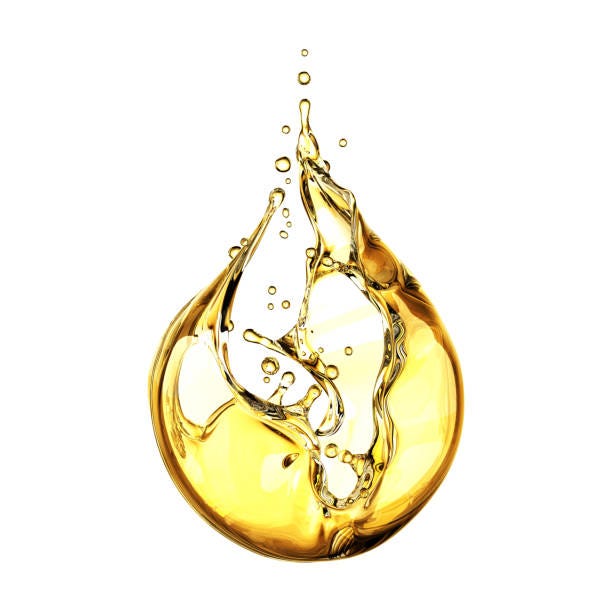
Oil (some common oils in cosmetics include: argan oil, coconut oil, castor oil, jojoba oil, marula oil, olive oil, squalane):
In cosmetic products, oils are used to nourish, soften, protect, and help lock moisture into the skin or hair. Oils are made up of lipids and fatty acids that create a protective barrier, helping reduce moisture loss while improving smoothness, flexibility, and shine.
Different oils serve different purposes — some are lightweight and fast-absorbing, while others are richer and more occlusive*. Oils can also help dissolve oil-soluble ingredients, pigments, fragrances, and certain active compounds within a formula.
In skincare and makeup, oils often give products a richer texture and enhanced slip, while in haircare they help reduce frizz, add shine, and protect against dryness and breakage.
Because oil and water naturally repel each other, cosmetic formulas that contain both require emulsifiers to keep the mixture stable and evenly blended. (more on emulsifiers to come).
*Occlusives are agents that form a physical barrier on top of the skin. They create a protective barrier, prevent water loss and seal in moisture.
Silicone (some common names: amodimethicone, dimethicone, dimethiconol, cyclopentasiloxane, cyclomethicone, cyclohexasiloxane (D6), phenyl trimethicone):
Silicones are synthetic ingredients used to create a smooth, silky texture and improve the feel and performance of a formula.
In skincare and makeup silicones are commonly found in primers, foundations, and serums. They help give products spreadability, create a silky texture, give a smoothing and blurring effect, some give mattifying effects and can provide longevity and water resistance.
In hair silicones can be found in serums, conditioners, and hair treatments. They form a lightweight, flexible coating that helps reduce frizz and friction, creates shine, adds a silky feel and locks in moisture. Some silicones help protect against humidity and heat.
Different silicones have different properties — some evaporate quickly for a lightweight feel, while others remain on the surface to provide long-lasting smoothing, protective effects.
Now let’s understand the WHY:
WHY products may:
pill under makeup
separate in the bottle
feel greasy yet dry at the same time
create patchiness or uneven texture
leave buildup on hair or skin
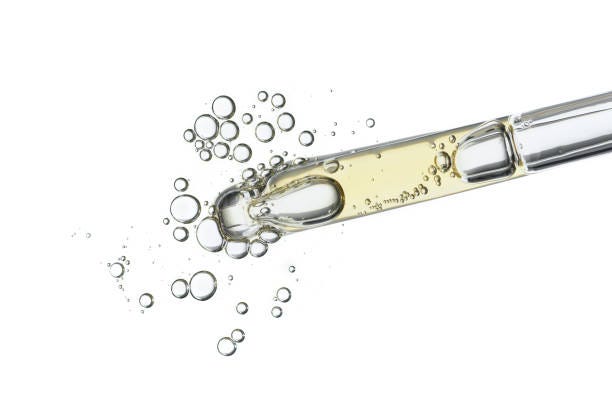
Water and Oil naturally repel each other because their molecules are structured differently. Water is “polar,” meaning its molecules are attracted to other polar substances (water loving). Oils are “nonpolar” and bond best with other non polar substances (oil loving). Because of this, the two separate instead of blending smoothly.
Silicones add another layer to why certain beauty products don’t work well together. While oils and water naturally separate because of their molecular structure, silicones behave differently — they create a smooth, flexible film that can either help formulas glide beautifully or cause products to slip, separate, or pill if layered incorrectly. Silicones can be volatile (does not stay on the skin), non-volatile (stays on the skin) and hydrophobic (water-repelling).
Some examples of when products don’t mix seamlessly with every formula type:
Water based primer + Oil based foundation: the foundation will sit on top and slide around, separating within hours and looking greasy.
Water-heavy products + silicone-heavy products can separate or pill if there aren’t enough emulsifiers holding everything together.
Silicone primer + water based foundation: the foundation can’t stick to the slick silicone barrier and balls up into tiny crumbs (pilling), it rolls right off.
Oil-based products layered over silicone films may slide around instead of absorbing properly (eg your makeup disappears, migrates or turns patchy)
Some silicones are water-insoluble, meaning they can build up on hair or skin unless properly cleansed away.
Certain hair styling products can also “fight” each other — for example, a silicone serum layered with a high-water gel may clump or flake.
Formulators use emulsifiers, stabilizers, and solvents to help incompatible ingredients coexist in one stable product. Even then, texture and performance can still change depending on how products are layered or combined with other formulas in a routine.
Armed with your new chemistry knowledge, I hope you now feel more confident about making your product decisions.
Let me know if this article was helpful for you or if you have further questions!
Do you have a beauty blunder you’d like a breakdown on? I’d love to hear from you!
And whoever finishes the Three solvents walk into a bar joke… I’ll feature your answer in my next article!